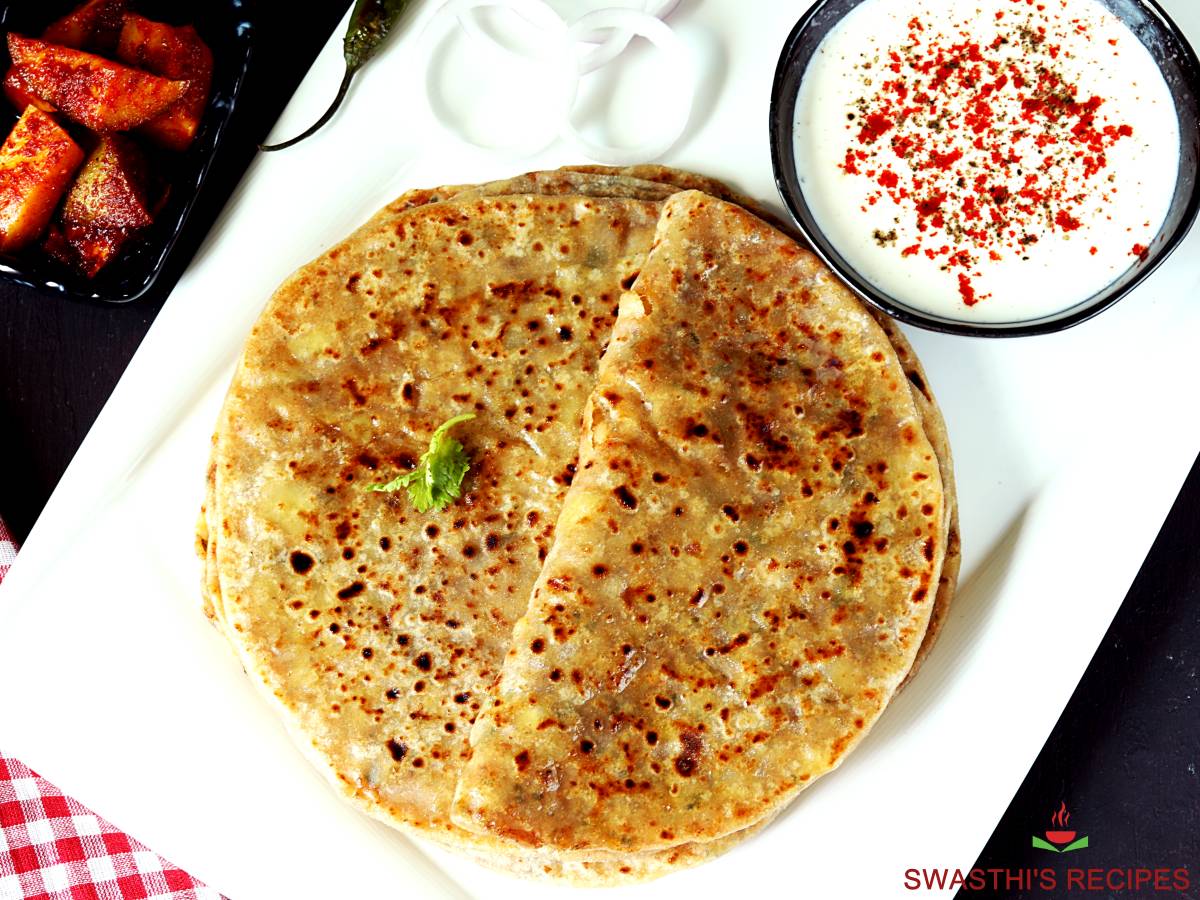
Imagine a culinary masterpiece that combines comfort, flavor, and incredible ease, all wrapped into one delightful package. Enter Aloo Paratha – the beloved Indian flatbread generously stuffed with a spiced potato filling. While it sounds exotic, the beauty of Aloo Paratha lies in its surprising simplicity and its adaptability to any meal of the day, making it a true kitchen hero for both novice cooks and seasoned foodies alike.
For many, the thought of making traditional Indian bread can be daunting. Visions of complex recipes, exotic ingredients, and intricate techniques often deter home cooks. However, Aloo Paratha shatters these misconceptions. It’s a dish born from resourcefulness, often made with leftover mashed potatoes, and built upon a foundational dough that truly couldn't be simpler. This isn't just a recipe; it's an invitation to explore the rich, comforting world of Indian cuisine without the fuss, proving that homemade deliciousness is well within reach.
The Underrated Genius of a Simple Dough
The foundation of any great flatbread is its dough, and the Aloo Paratha dough is nothing short of brilliant in its straightforwardness. Forget about lengthy proofing times, complex yeast activation, or sticky, unmanageable mixtures. This dough is designed for convenience and workability, making it the perfect starting point for anyone looking to try their hand at Indian bread. As many enthusiasts attest, the dough-making process is remarkably quick and forgiving:
- Minimal Ingredients: You only need three pantry staples: whole wheat flour (or all-purpose, if preferred), salt, and water. That’s it! No fancy additions, no obscure components.
- Lightning-Fast Kneading: A common misconception is that dough requires extensive kneading. For Aloo Paratha, a mere 1.5 to 3 minutes of kneading is typically all it takes to bring the dough together. This brevity makes it ideal for busy weeknights or impromptu cravings.
- Non-Sticky & Clean: One of the most satisfying aspects of this dough is its consistency. It’s inherently non-sticky, meaning you won’t need to constantly flour your work surface or spend time scraping bits of dough off your hands. Your workspace remains surprisingly clean, even after rolling!
- Smooth, Silky, and Elastic: The result of this simple process is a dough that is wonderfully smooth, silky to the touch, and incredibly elastic. This elasticity is key, as it allows the dough to be easily rolled out and stretched without tearing, perfectly encasing the flavorful filling.
This effortless dough empowers you to focus on the fun part: the filling! It removes the primary barrier that often intimidates home cooks, paving the way for a truly enjoyable cooking experience. The simplicity of the dough is a testament to the dish's humble origins and its enduring appeal across generations.
Flexible Fillings: From Classic Potato to Creative Alternatives
While "Aloo" literally means "potato" in Hindi, signifying the traditional core of this dish, the beauty of Aloo Paratha truly shines in its incredible flexibility when it comes to fillings. The classic potato stuffing is a harmonious blend of mashed potatoes spiced with an aromatic medley that sings with every bite. Typically, this includes:
- Potatoes: Boiled and mashed or grated for a smoother texture. They provide the creamy, comforting base.
- Aromatic Staples: Finely chopped shallots (or red onion), fresh ginger, and vibrant coriander (cilantro) are common additions, offering freshness and a subtle bite.
- Key Spices: Garam masala, a staple Indian spice blend, provides warmth and depth. Other common additions might include red chili powder for heat, turmeric for color and earthy notes, and a pinch of dry mango powder (amchur) for tanginess.
However, what truly elevates Aloo Paratha from a simple recipe to a versatile culinary canvas is its open invitation for substitution and experimentation. Don't have garam masala? No problem! A simple blend of cumin, coriander, and a touch of chili powder can work wonders. Out of fresh ginger? A pinch of ginger powder will suffice. The core idea is that even if you deviate from the exact ingredient list, your homemade Aloo Paratha will still be utterly delicious.
Beyond the Potato: Unleashing Your Creativity
This spirit of flexibility extends far beyond mere spice substitutions. You can completely change the main ingredient and still create a fantastic stuffed flatbread! Consider these inventive alternatives:
- Paneer Paratha: Grated Indian cottage cheese, mixed with similar spices, creates a rich and protein-packed filling.
- Gobi Paratha: Finely grated or puréed cauliflower, seasoned with spices, offers a delightful texture and nutty flavor.
- Mixed Vegetable Paratha: Combine finely diced carrots, peas, bell peppers, and potatoes for a nutrient-dense and colorful option.
- Lentil (Dal) Paratha: Leftover cooked dal can be thickened and spiced to create a hearty and unique filling.
The key is to ensure your chosen filling is relatively dry and well-seasoned to prevent the dough from becoming soggy and to maximize flavor. This adaptability not only makes Aloo Paratha incredibly practical for using up leftovers but also ensures that you can enjoy a variety of flavors under the comforting umbrella of a simple, homemade flatbread.
Aloo Paratha for Any Meal: Beyond the Breakfast Table
Traditionally, Aloo Paratha holds a cherished spot at the Indian breakfast table. It’s a staple for many North Indian homes, often served hot off the griddle, glistening with a dollop of white butter (makkhan), and accompanied by tangy pickle (achar) and cooling yogurt (dahi). This classic combination is a testament to its comforting and hearty nature, providing a substantial start to the day.
However, its appeal transcends the morning meal. In the Western world, and increasingly across India, Aloo Paratha has found its way into various culinary contexts:
- A Versatile Side Dish: It serves as an excellent accompaniment to rich curries, gravies, or dal, soaking up the flavorful sauces much like naan or roti. Its mild potato filling complements a wide range of main courses.
- A Delightful Appetizer: Cut into wedges, Aloo Paratha makes for a fantastic starter at gatherings or parties, especially when served with a selection of chutneys or a simple mint-yogurt dip.
- A Complete & Satisfying Meal: For a quick lunch or a light dinner, a couple of Aloo Parathas with a side of yogurt and pickle can be a perfectly fulfilling and balanced meal. Add a fresh salad for extra crunch and nutrients.
- An On-the-Go Snack: Its portable nature makes it an ideal lunchbox item or a satisfying snack for travel. It holds up well and tastes great even at room temperature.
- Brunch Star: Imagine Aloo Paratha as part of a brunch spread, paired with eggs, roasted vegetables, or even alongside traditional Western breakfast items for a fusion experience.
The "double carb hit" (potato inside bread) might sound indulgent, but it’s precisely what makes Aloo Paratha so satisfying and nourishing. It's truly a dish that doesn't discriminate based on the clock, proving its worth from sunrise to sundown and beyond.
Mastering the Art: Practical Tips for Perfect Aloo Paratha
While the recipe itself is forgiving, a few practical tips can elevate your Aloo Paratha from good to absolutely glorious:
- Cool the Filling: Ensure your potato (or alternative) filling is completely cooled before stuffing. Warm filling can make the dough sticky and difficult to roll, leading to tears.
- Don't Overstuff: Resist the urge to pack too much filling into each dough ball. A moderate amount is key to easy rolling and even cooking. A general rule of thumb is a ratio of roughly 1:1 or slightly less filling to dough.
- Seal Properly: After placing the filling, bring the edges of the dough together and pinch them securely to form a tight seal. Any gaps can lead to the filling oozing out during rolling and cooking.
- Gentle Rolling: Use a light hand when rolling out the stuffed paratha. Start from the center and work your way outwards, rotating the paratha frequently to maintain an even thickness and shape.
- Moderate Heat is Key: Cook your Aloo Paratha on a medium-hot griddle or tawa. Too low, and it will become tough and dry; too high, and it will burn before cooking through.
- Generous Ghee or Oil: Don't be shy with the cooking fat! Ghee (clarified butter) or oil helps the paratha cook evenly, develop a beautiful golden-brown crust, and achieve that characteristic flaky texture. Brush both sides liberally.
- Rest the Dough: After kneading, allow the dough to rest for at least 15-20 minutes. This allows the gluten to relax, making the dough even easier to roll out.
- Consistency of Filling: Ensure your filling is smooth and free of large lumps, especially if using potato. Lumps can tear the dough during rolling.
By following these simple guidelines, you'll be well on your way to crafting Aloo Parathas that are not only easy to make but also boast an irresistible texture and flavor.
Conclusion
Aloo Paratha is more than just a stuffed flatbread; it's a testament to the fact that extraordinary food doesn't have to be complicated. With its incredibly simple dough and endlessly flexible filling options, it stands as an approachable entry point into the vibrant world of Indian cuisine. Whether you're a "carb monster" like many of us, seeking a unique way to use leftover potatoes, or simply looking for a delicious and versatile meal option, Aloo Paratha delivers. Its ability to transition effortlessly from a hearty breakfast to a satisfying dinner or a delightful snack makes it a true culinary chameleon. So, next time you're contemplating what to make, embrace the ease and deliciousness of Aloo Paratha – your taste buds (and your busy schedule) will thank you.
