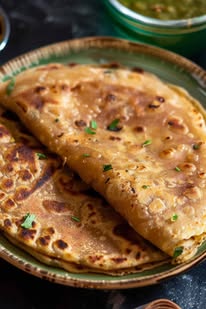
Crafting Aloo Paratha: Mastering the Stuffed Potato Flatbread at Home
There’s a certain magic in turning simple ingredients into something extraordinary, and nowhere is this more evident than with aloo paratha. This beloved Indian stuffed potato flatbread offers a symphony of textures and flavors, making it a cherished dish across India and increasingly, the world. While often perceived as a culinary challenge, mastering aloo paratha at home is surprisingly accessible and immensely rewarding. Imagine sinking your teeth into a warm, soft flatbread, bursting with a savory, spiced potato filling – a truly comforting experience that transports you straight to the heart of Indian cuisine.
Aloo paratha is more than just a meal; it's a culinary hug. Traditionally served for breakfast in North Indian homes, it has found its way onto dinner tables as a delightful side to curries or a standalone appetizer. The beauty of this dish lies in its versatility and the incredible satisfaction of making it from scratch. Whether you're a seasoned chef or a beginner in the kitchen, this comprehensive guide will walk you through every step, ensuring your homemade aloo paratha is nothing short of delicious.
The Heart of Aloo Paratha: Understanding the Basics
At its core, aloo paratha is a flatbread made from whole wheat flour, lovingly stuffed with a spiced potato mixture. The name itself is descriptive: "Aloo" means "potato" in Hindi, and "Paratha" refers to a layered flatbread. This combination results in a delightful double-carb hit that is both filling and incredibly flavorful. While many Indian dishes rely on a vast array of specialty spices, the true genius of aloo paratha is its forgiving nature and adaptability. Even without a fully stocked Indian pantry, you can create a truly authentic and mouth-watering version.
The journey to a perfect aloo paratha involves two main components: the dough and the filling. Each plays a crucial role in the final texture and taste. The dough provides a soft, pliable casing, while the filling delivers the aromatic spice and creamy potato goodness. What makes homemade aloo paratha particularly appealing is the control you have over the ingredients, ensuring freshness and flavor that store-bought versions often lack. This recipe is also incredibly flexible, allowing for substitutions and alternatives that ensure it's delicious every time, even if you're working with what you have on hand.
The Simple Secret: Crafting the Perfect Dough
One of the biggest revelations for those new to making parathas is just how incredibly easy the dough is to prepare and work with. Forget sticky, stubborn doughs that cling to your hands and counter. The dough for aloo paratha is a testament to simplicity and efficiency. It typically consists of just three fundamental ingredients: whole wheat flour (atta), water, and a pinch of salt. That’s it! This minimal ingredient list makes it an ideal recipe for everyday cooking.
Here’s why this dough is a dream to work with:
- Minimal Ingredients: Flour, water, and salt are kitchen staples, meaning you likely already have everything you need.
- Quick to Knead: Unlike many bread doughs that demand extensive kneading, paratha dough requires only about 1.5 to 3 minutes of active kneading. This brief period is sufficient to develop enough gluten for a smooth, elastic consistency.
- Non-Sticky Nature: The beauty of this dough is its low hydration level, making it inherently non-sticky. This means you won't need to constantly flour your work surface, keeping your kitchen cleaner and the process smoother. You'll find that after kneading and rolling, your counter remains surprisingly clean.
- Smooth and Elastic: Once kneaded, the dough transforms into a silky, pliable ball. This elasticity is key to easy rolling, allowing you to stretch it into the desired disc shape without it tearing or shrinking back excessively. This quality is particularly important when stuffing the paratha, as a flexible dough can accommodate the filling without breaking. For more insights into the foundational elements of this dish, read our article: Easy Aloo Paratha: Simple Dough, Flexible Fillings for Any Meal.
Expert Tip for Dough: While the dough is easy, don't skip the resting period. After kneading, cover the dough with a damp cloth and let it rest for at least 20-30 minutes. This allows the gluten to relax, making the dough even softer and easier to roll, resulting in a more tender paratha.
Unlocking Flavor: Creating Your Signature Potato Filling
The heart and soul of any aloo paratha lie in its irresistible potato filling. While the core ingredients are simple—boiled and mashed potatoes—the magic truly unfolds with the addition of aromatic spices and fresh herbs. This is where you can truly personalize your paratha and create a flavor profile that speaks to you.
A classic aloo paratha filling typically includes:
- Boiled Potatoes: Mashed or grated, these form the base. Ensure they are free of lumps for a smooth filling. Using cooled, leftover mashed potatoes is an excellent shortcut, just make sure they aren't too wet.
- Aromatics: Finely chopped shallots (or red onion), fresh ginger, and green chilies provide a pungent warmth and subtle heat.
- Fresh Herbs: Fresh coriander (cilantro) is non-negotiable for its bright, earthy notes, adding a layer of freshness that cuts through the richness of the potato.
- Spices: Garam masala is a staple Indian spice blend, offering complex warmth. However, as the references highlight, don't fret if you don't have it! You can easily substitute with a pinch of cumin powder, coriander powder, turmeric, and a dash of red chili powder for a similar effect. A touch of dry mango powder (amchur) or lemon juice can also add a delightful tang.
The beauty of this filling is its incredible flexibility. Don't have shallots? Use regular onion. No fresh ginger? A pinch of dried ginger powder will work. Out of coriander? Parsley can offer a different but pleasant green note. You can even venture beyond potatoes if you wish! Broccoli, paneer, or a mixed vegetable mash can be delightful alternatives, proving that this recipe truly embraces creativity. The key is to taste and adjust the spices to your preference, ensuring a well-balanced and flavorful stuffing that is neither bland nor overpowering.
Expert Tip for Filling: Ensure your mashed potatoes are cool before mixing in the spices. Hot potatoes tend to release more moisture, potentially making your filling too wet and difficult to stuff. A dry, crumbly filling is ideal for easy handling and prevents the dough from tearing during rolling.
From Dough to Delight: Stuffing, Rolling, and Cooking Techniques
This is where the transformation truly happens, turning simple dough and filling into the iconic aloo paratha. While it might seem daunting at first, with a few techniques, you'll be stuffing and rolling like a pro.
Mastering the Stuffing Process
There are a few popular methods for stuffing parathas:
- The Bowl Method (Most Common):
- Take a small ball of dough (about golf-ball sized) and roll it out into a small disc, about 3-4 inches in diameter, making the edges slightly thinner than the center.
- Place a generous ball of potato filling (slightly smaller than the dough ball) in the center of the disc.
- Gather the edges of the dough around the filling, bringing them together at the top to form a small pouch. Pinch firmly to seal, ensuring no gaps.
- Gently flatten the stuffed ball with your palm before rolling.
- The Two-Disc Method:
- Roll out two equal-sized small discs of dough.
- Place the potato filling on one disc, leaving a small border.
- Cover with the second disc and pinch the edges firmly to seal. This method can sometimes be easier for beginners.
Expert Tip for Stuffing: Don't overfill, especially when you're starting out. A moderate amount of filling is easier to manage. Also, ensure the filling is cohesive and not too loose, as this will prevent it from oozing out.
The Art of Rolling
Once stuffed, gentle but firm pressure is needed to roll out your parathas:
- Lightly dust your rolling surface and rolling pin with a minimal amount of flour, if needed, though often the dough is so well-behaved that it's unnecessary.
- Start rolling from the center outwards, rotating the paratha frequently to maintain a round shape.
- Apply even pressure to ensure the paratha is uniformly thin without tearing the dough. Aim for a diameter of 6-8 inches, depending on your preference.
Troubleshooting: If the dough tears and the filling peeks through, don't panic! Simply pinch the torn edges together and continue rolling gently. A little rustic charm adds character!
The Perfect Pan-Fry
Cooking your aloo paratha transforms it from raw dough to a golden, flaky delight:
- Heat a non-stick tawa (griddle) or a heavy-bottomed pan over medium-high heat.
- Place the rolled paratha onto the hot tawa. Cook for about 30 seconds to a minute, until you see small bubbles appearing on the surface.
- Flip the paratha. Drizzle or brush a generous amount of ghee (clarified butter) or oil over the top surface.
- Cook for another minute or so, then flip again. Apply ghee/oil to the other side.
- Press gently with a spatula, particularly around the edges, to ensure even cooking and encourage puffing. Cook until both sides are golden brown and speckled with darker spots, indicating a perfectly cooked paratha.
Expert Tip for Cooking: Don't overcrowd your tawa. Cook one paratha at a time to maintain consistent heat. The key is medium-high heat – too low and the paratha will be dry; too high and it will burn before cooking through. For a deeper dive into the cultural significance and variations, check out: Aloo Paratha Revealed: India's Beloved Potato Flatbread for Breakfast & Beyond.
Beyond the Plate: Serving, Customizing, and Enjoying Your Parathas
The moment you pull a freshly cooked aloo paratha off the tawa, it's ready to be devoured. While truly delicious on its own, it shines even brighter with traditional accompaniments. In North India, it’s most commonly topped with a dollop of fresh white butter (makkhan), which slowly melts into the warm flatbread, adding an unparalleled richness. Alongside, a tangy pickle (achaar) and cooling plain yogurt (dahi) create a perfect balance of flavors and textures.
However, the versatility of aloo paratha doesn't stop there. In Western households, it's often enjoyed as a hearty side dish with a variety of curries, lending substance and flavor to the meal. It also makes a fantastic appetizer or a satisfying snack at any time of day. Its ability to pair well with almost anything makes it a go-to for many.
Customization Beyond the Traditional
As highlighted, the aloo paratha recipe is incredibly flexible. Don't be afraid to experiment with your filling!
- Cheese Lovers: Add grated cheese (cheddar or mozzarella) to your potato filling for a fusion twist.
- Greens Power: Incorporate finely chopped spinach, fenugreek leaves (methi), or even broccoli into the potato mix for added nutrition and flavor.
- Spice Variations: Adjust the chili to your heat preference, or add a pinch of dried fenugreek leaves (kasoori methi) for a deeper, aromatic complexity.
- Vegan Option: Simply use oil instead of ghee for pan-frying, and skip the butter topping.
This endless capacity for adaptation ensures that aloo paratha remains exciting and fresh, no matter how often you make it. It's a dish that truly caters to personal taste and available ingredients, promising a delicious outcome every single time.
Conclusion
Mastering aloo paratha at home is a journey that’s surprisingly easy and incredibly rewarding. From its simple, non-sticky dough to the flexible, flavorful potato filling, every step of the process is designed for success. Whether you follow the traditional recipe or experiment with your own creative twists, the joy of pulling a golden, perfectly stuffed flatbread off the griddle is immense. So, gather your ingredients, embrace the process, and get ready to indulge in the comforting, aromatic embrace of homemade aloo paratha. Your taste buds will thank you!
